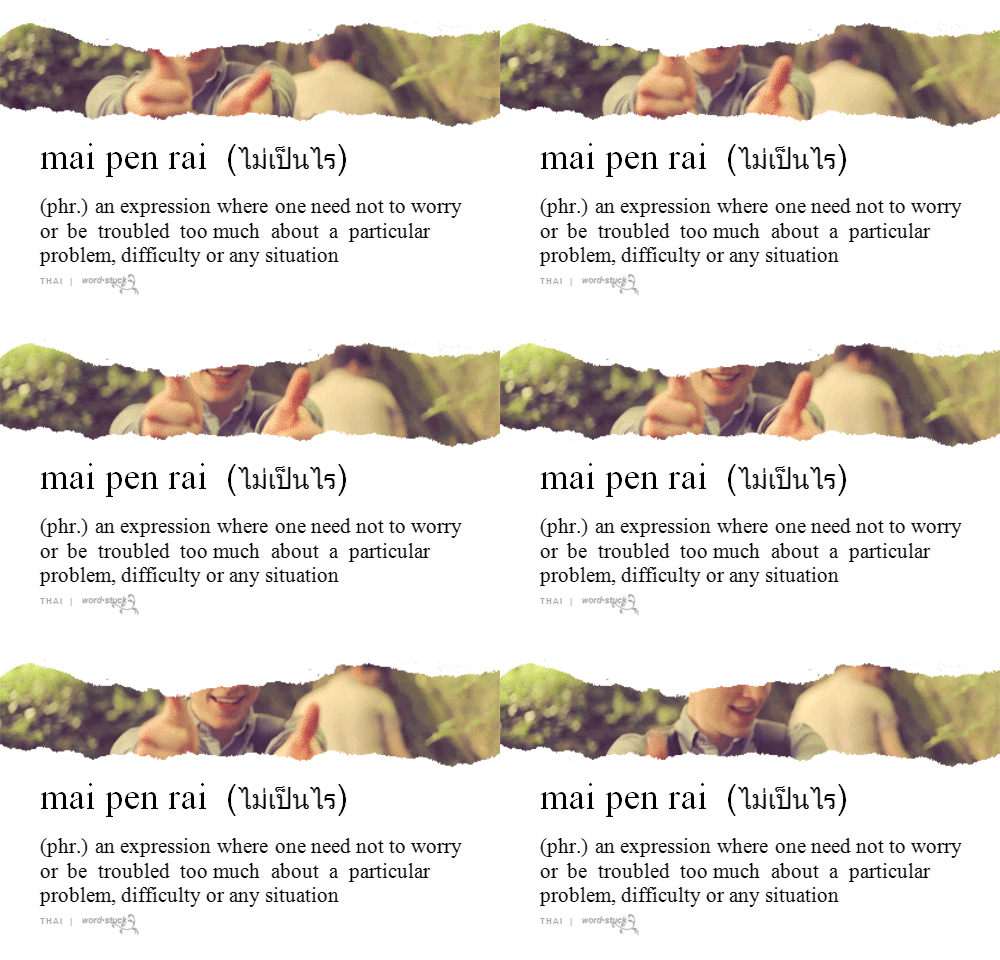
“Soon, I will feel that sweet, spring breeze, gently coaxing the flowers to give up their scents.”
Source: Julien Douvier via Madame Scherzo
“Soon, I will feel that sweet, spring breeze, gently coaxing the flowers to give up their scents.”
Source: Julien Douvier via Madame Scherzo


“I think
I grow tensions
like flowers
in a wood where
nobody goes.
Each wound is perfect,
encloses itself in a tiny
imperceptible blossom,
making pain.
Pain is a flower like that one,
like this one,
like that one,
like this one.”
– Robert Creeley, ”The Flower”
Robert Creeley (1926 – 2005) was a major American poet of the 20th century. He was born in Arlington, MA and was a teacher, a scholar, and a fierce presence: “I look to words, and nothing else, for my own redemption either as a man or poet.” He lost the sight in one eye in a car accident when he was two years old. The loss of his eye and his father, both early in life, affected Creeley profoundly. For the first half of his life he travelled as an outsider, his heavy drinking often leading to brawls with friends and strangers. Creeley was sometimes an angry young man who wanted “the world to narrow to a match flare”. Unable to sign up for World War II because of his sight problem, he joined the American Field Service and drove ambulances in India and Burma. He returned home with two medals…Just days before he died, he gave his final reading — in Charlottesville, Virginia — breathing from what he called “portable wee canisters of oxygen about the size of champagne bottles”. In between the poems Creeley said very simple things that rang true: “There has been so much war and pain during the last century. We need to learn how to be kind; kindness is what makes us human.”
(Read full Bio by Robert Adamson @ Jacket 26)
Credits: Poem – sleepwalking.nu. Portrait: beatbookcovers
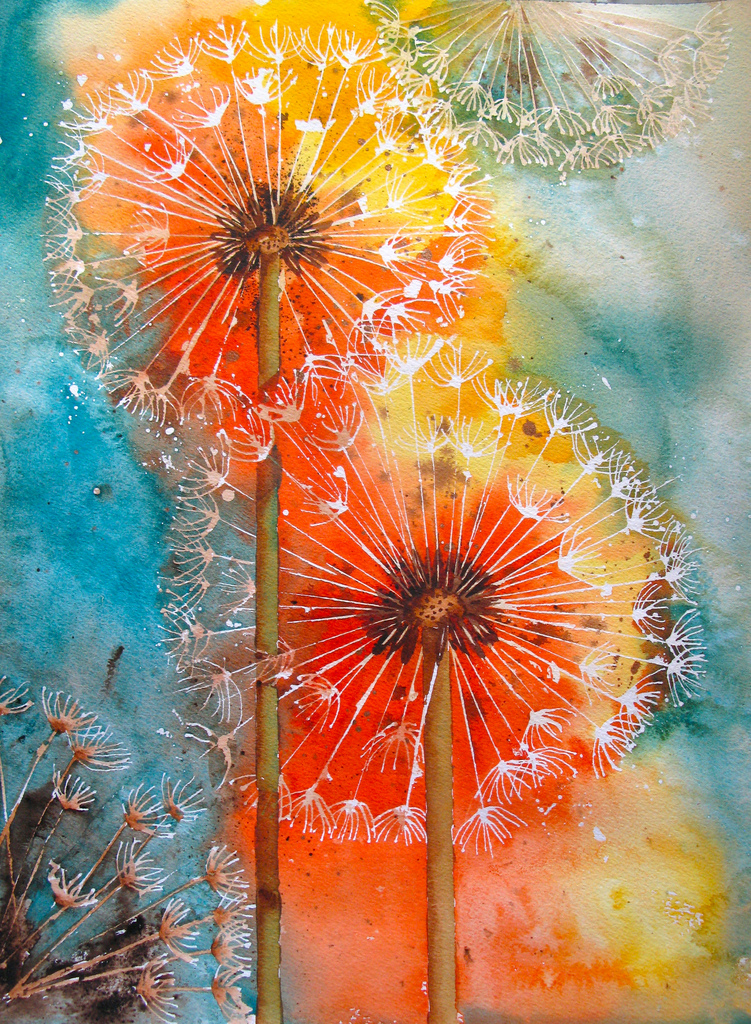

When misfortune confounds us
in an instant we are saved
by the humblest actions
of memory or attention:
the taste of fruit, the taste of water,
that face returned to us in dream,
the first jasmine flowers of November,
the infinite yearning of the compass,
a book we thought forever lost,
the pulsing of a hexameter,
the little key that opens a house,
the smell of sandalwood or library,
the ancient name of a street,
the colourations of a map,
an unforeseen etymology,
the smoothness of a filed fingernail,
the date that we were searching for,
counting the twelve dark bell-strokes,
a sudden physical pain.
Eight million the deities of Shinto
who travel the earth, secretly.
Those modest divinities touch us,
touch us, and pass on by.
‘Shinto is the indigenous faith of the Japanese people. In general, Shinto is more than a religion and encompasses the ideas, attitudes, and ways of doing things that have become an integral part of the Japanese people for the better part of 2000 years. The ancient Japanese never divided spiritual and material existence, but considered that both were inseparable, seeing everything in a spiritual sense. Shinto, unlike other major religions, does not have a founder, nor does it possess sacred scriptures or texts. Shinto practices can be roughly summed up by the four affirmations:
Credits: Poem Source: Mystic Medusa. Image: Mme Scherzo. Shinto Definition: About.com, Jinja Honcho
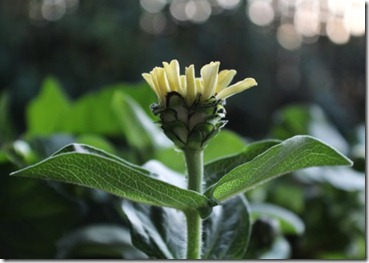
 35 members of our team participated in a volunteer day yesterday. We spent the day weeding, cutting, seeding, planting, scraping and painting for a non-profit organization that works with children with social and learning challenges while providing care for animals and nature.
If you’ve followed my blog, you’ve seen a number of posts on the importance of doing what you love. The staff at this organization who was guiding our team through various lawn, gardening and fence painting projects was all-in. You could feel their commitment. You could feel their love for the children, the gardens, the animals and their work. Inspiring? Over-the-top. Good people? Crazy Good. And yet more Good…