Stick with this to the finish. (Apple’s new holiday ad)
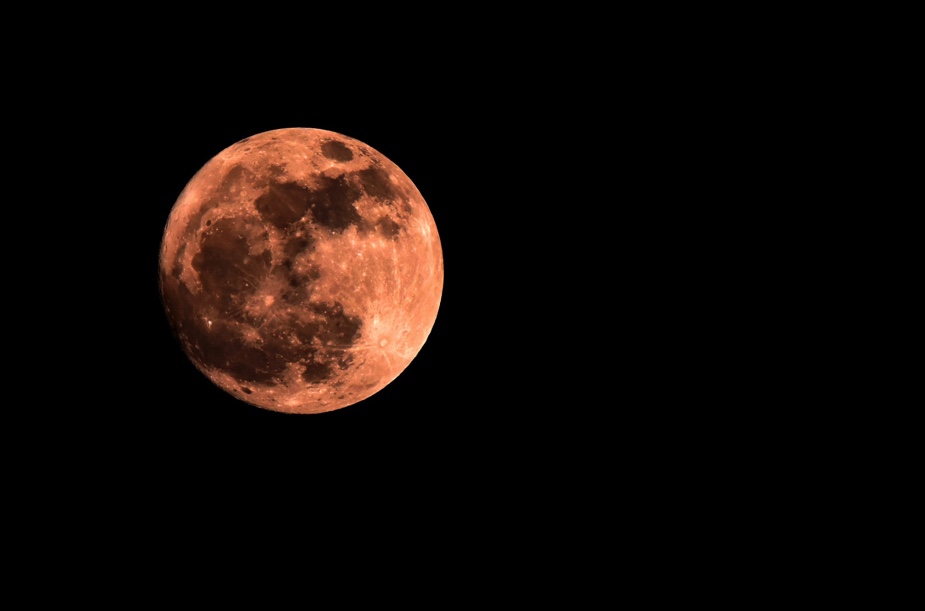

Phoenix, AZ.
Visiting Brother.
Time: Now.
I was inspired by the full Moon over the Camelback Mountains the night before.
I was further inspired by a Moon quote from a Murakami book that I came across this morning.
So much inspiration is grist for a blog post. As the bio suggests, if it moves me, it goes up. No other criteria required. Full stop.
Tell my Brother that I’m going out to take some shots of the Moon with my Smartphone. How hard can it possibly be, right?
I step outside.
I walk a block looking in all directions.
Then I walk a second block. It was a cloudless day in Phoenix. How hard can it be? Pretty damn hard without the Moon.
I get in car. I drive 5 miles east. Why East? Because the Sun Rises in the East. So Moon must be East. Does this make any sense? It gets Dark, the Moon is there. Does it rise at all?
I could have Googled it before I left (“Does the Moon Rise? “What time does the Moon rise in Phoenix today?”)
But, WTH would I do that for?
In 50+ years, it has never dawned on me that the Moon wouldn’t be there waiting for me when it was dark on a cloudless night.
I drive back. Wow. Empty handed. Embarrassing and beyond.
“What took so long?”
“I couldn’t find the Moon?”
“You’ve got to be kidding?’
“No Moon.”
“OK Smart a**. Does the Moon rise or is it just there?”
He has no clue either. Same root, same stock. Makes sense.
He’s watching me write this Post. He’s staring, wondering: “You aren’t really going to tell the world that you don’t know Jack about the Moon are you?”
Apparently I’m going to do exactly that. Yep.
I’m connected to my own reality here.
“We’re both looking at the same moon, in the same world. We’re connected to reality by the same line. All I have to do is quietly draw it towards me.”
~ Haruki Murakami, Sputnik Sweetheart
Notes:


She was, quite simply, a nice lady who’d raised a family and now lived quietly with her cats and grew vegetables. This was both nothing and everything.
~ Gail Honeyman, Eleanor Oliphant Is Completely Fine.
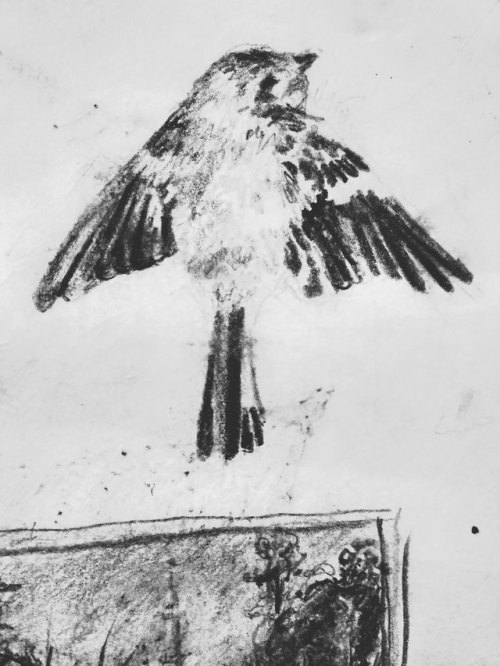

What’s it like to be a human
the bird asked
I myself don’t know
it’s being held prisoner by your skin
while reaching infinity
being a captive of your scrap of time
while touching eternity
being hopelessly uncertain
and helplessly hopeful
being a needle of frost
and a handful of heat
breathing in the air
and choking wordlessly
it’s being on fire
with a nest made of ashes
eating bread
while filling up on hunger
it’s dying without love
it’s loving through death
That’s funny said the bird
and flew effortlessly up into the air
~ Anna Kamienska, from “Funny”
Notes: Poem via Alive on All Channels. (Thanks Beth). Art by Klára Piknerová (via Your Eyes Blaze Out)
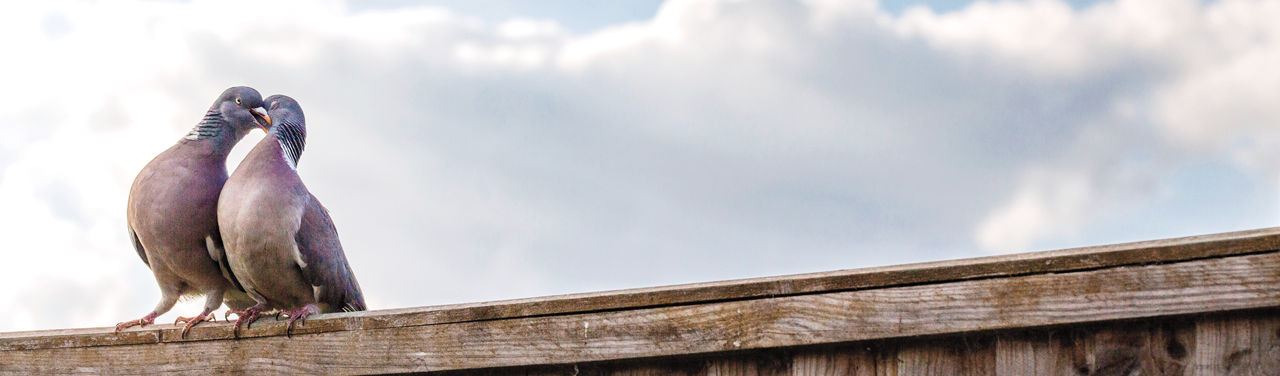

Rita McMahon found a pigeon with a broken leg on her deck in New York City’s upper west side. The pigeon was otherwise quite fortunate. McMahon would go on to cofound the Wild Bird Fund, which cares for some 3,500 sick and injured birds every year. A veterinarian amputated the pigeon’s leg; while it recovered, it would rest on a cushion in McMahon’s apartment window. On the other side stood her mate, day after day, keeping her company until she was released and the couple rejoined.
“They were devoted to each other,” says McMahon, who also recalled how one of her volunteers once found a broken-winged robin in a depression in a snow bank, his mate nearby. The volunteer picked up the injured bird and put him in a bag for transport to the hospital. With little fuss she then gathered the mate—which was quite unusual, as healthy wild birds are uniformly skittish. “I understand being able to pick up a broken-winged robin easily, but not one who’s intact,” MacMahon says. At the hospital, they learned that the break wasn’t fresh. The robin was in surprisingly good health. His mate, believes MacMahon, had been taking food to him on the snowbank, “and decided to stay with her man.” …
Apparent grieving exists in the avian world, most notably among greylag geese, in whom individuals who’ve lost a partner display the classical symptoms of human depression: listlessness, a loss of appetite, lethargy lasting for weeks or even months. The same applies to pigeons. On Pigeon Talk, a website of pigeon-breeding hobbyists, anecdotes abound of birds sinking into a funk after losing their mates, and sometimes refusing to take another mate for up to a year afterward—no small time for a species that typically lives for less than a decade.
One of the most moving stories involves mourning doves. After a dove was eaten by a hawk in the backyard of a forum member called TheSnipes, the mate stood beside the body for weeks. “I finally couldn’t stand to watch it any more and picked up every feather and trace of remains that was left there and got rid of it,” wrote TheSnipes. “The mate continued to keep a vigil at that spot though, for many months, all through the spring and summer.” …
Their example stayed with me, though, and now colors the way I think of my winged neighbors. Ubiquitous and unappreciated, typically ignored or regarded as dirty, annoying pests, pigeons mean something else to me now. Perched on building ledges, chasing scraps of food, taking to the skies at sunset: Each one is a reminder that love is all around us.
~ Brandon Keim, from “What Pigeons Teach Us About Love”
Thank you Susan.