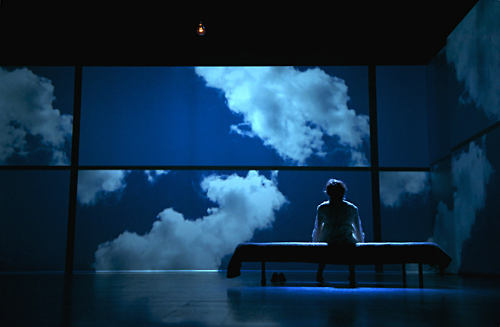

Source: jaimejustelaphoto
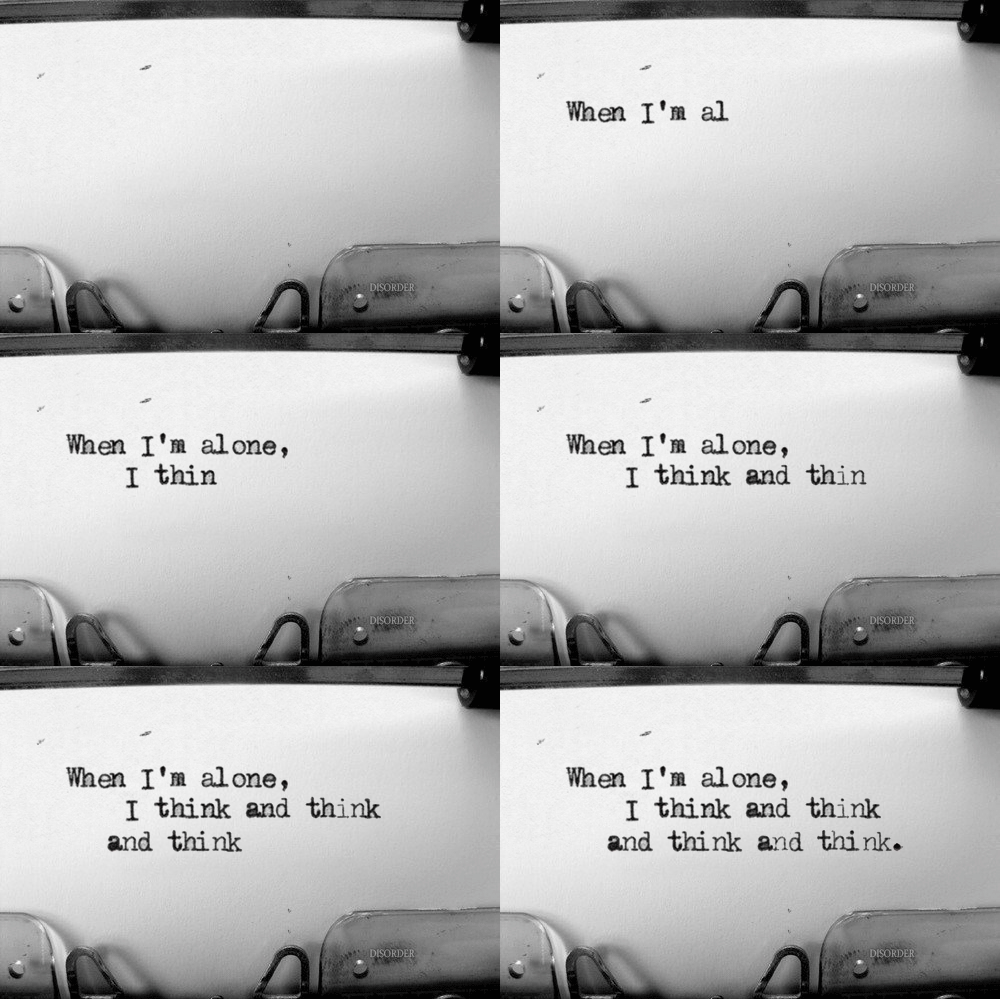

From Kate Murphy, NY Times, No Time to Think:
ONE of the biggest complaints in modern society is being overscheduled, overcommitted and overextended. Ask people at a social gathering how they are and the stock answer is “super busy,” “crazy busy” or “insanely busy.” Nobody is just “fine” anymore. When people aren’t super busy at work, they are crazy busy exercising, entertaining or taking their kids to Chinese lessons. Or maybe they are insanely busy playing fantasy football, tracing their genealogy or churning their own butter.
And if there is ever a still moment for reflective thought — say, while waiting in line at the grocery store or sitting in traffic — out comes the mobile device.
Moreover, in one experiment, 64 percent of men and 15 percent of women began self-administering electric shocks when left alone to think. These same people, by the way, had previously said they would pay money to avoid receiving the painful jolt.
It didn’t matter if the subjects engaged in the contemplative exercise at home or in the laboratory, or if they were given suggestions of what to think about, like a coming vacation; they just didn’t like being in their own heads.
It could be because human beings, when left alone, tend to dwell on what’s wrong in their lives. We have evolved to become problem solvers and meaning makers. What preys on our minds, when we aren’t updating our Facebook page or in spinning class, are the things we haven’t figured out — difficult relationships, personal and professional failures, money trouble, health concerns and so on. And until there is resolution, or at least some kind of understanding or acceptance, these thoughts reverberate in our heads. Hello rumination. Hello insomnia.
Read full article by Kate Murphy in NY Times: No Time To Think
Image Source: Sh*t In My Head


Frank Bruni, NY Times: A Quiet Cheer For Solitude:
Read Bruni’s worthy full article here: A Quiet Cheer For Solitude: